Compare Local Contractors for Synthetic Grass Installation Services
Compare local contractors for synthetic grass installation to define project scope, verify experience, and set clear expectations in writing for a successful outcome.
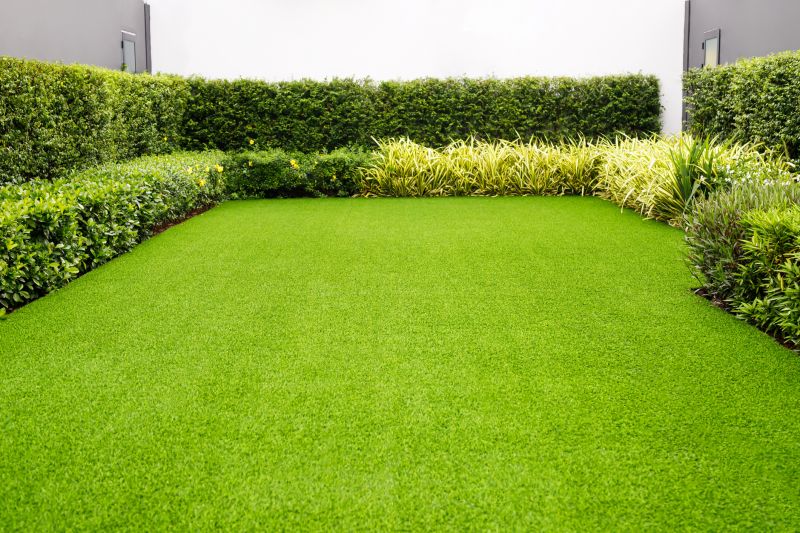
Contractors specializing in synthetic grass installation typically handle a range of tasks that include site preparation, surface grading, and the precise laying of artificial turf. These professionals assess the property's terrain to ensure proper drainage and stability, remove existing landscaping or surfaces as needed, and install the groundwork necessary for a smooth, durable finish. During installation, they carefully roll out, secure, and trim the synthetic grass to match the designated area, ensuring a seamless and natural-looking appearance. Some contractors may also offer additional services such as edging, infill application, and surface leveling to optimize the final result.
Clearly defining the scope of work is essential when working with contractors for synthetic grass installation. A well-detailed scope helps set realistic expectations, minimizes misunderstandings, and ensures that both property owners and service providers are aligned on the project’s deliverables. It should specify the size and shape of the area to be covered, any surface preparation requirements, and the type or quality of synthetic turf desired. Documenting these details in writing can provide clarity and serve as a reference throughout the project, helping to avoid surprises or scope creep that could impact the outcome.
Property owners can effectively compare local contractors by examining their experience, areas of expertise, and the scope of services offered. It’s helpful to review whether a contractor has completed projects similar in size and complexity, and to verify their familiarity with the specific type of synthetic grass being installed. When evaluating potential service providers, consider asking for references or examples of previous work, and ensure that the scope of work is clearly outlined in written proposals. This approach allows property owners to make informed decisions, select reputable contractors, and establish clear expectations before the work begins.
Compare local contractors by outlining project priorities, verifying experience, and setting clear expectations in writing.
- Verify Experience and Credentials - Ensure contractors have a proven track record with synthetic grass installation projects.
- Define Project Scope Clearly - Outline specific details and expectations upfront to avoid misunderstandings.
- Compare Local Service Providers - Evaluate multiple contractors based on expertise, reputation, and service offerings.
- Document Agreements in Writing - Keep all project details, scope, and expectations documented to ensure clarity.

Clearly describing your synthetic grass project helps you compare contractors, define scope, verify experience, and set expectations in writing.
- Verify experience and references of local contractors specializing in synthetic grass installation to ensure quality work. - Review previous projects and client feedback to assess a contractor’s reliability and craftsmanship.
- Clarify the scope of work and materials included to set clear expectations before beginning the project. - Ensure all details, such as turf type and installation process, are documented in writing.
- Compare multiple service providers to evaluate their expertise, reputation, and approach to synthetic grass installation. - Gathering multiple quotes can help identify the most qualified and suitable contractor.
- Confirm that the contractor understands the site conditions and any preparation required for proper installation. - Proper assessment of the site ensures compatibility and durability of the synthetic grass.
- Request a detailed written agreement outlining project scope, materials, and responsibilities to avoid misunderstandings. - A comprehensive contract helps ensure all parties are aligned on expectations and deliverables.
- Assess the contractor’s knowledge of local building codes and installation standards relevant to synthetic grass projects. - Ensuring compliance can prevent issues during or after the installation process.
Compare local contractors’ experience and clarify project scope to ensure successful synthetic grass installation.



Use consistent comparison criteria across local contractors by clearly defining scope, verifying experience, and documenting expectations in writing.
- Project Scope Definition - Clearly outline the specific areas and extent of the synthetic grass installation project.
- Material Specifications - Identify the type, quality, and brand of synthetic grass preferred for the project.
- Experience Verification - Confirm the experience and previous work of local contractors with synthetic grass installations.
- Work Process Description - Specify the installation steps, site preparation, and any additional services included in the scope.
- Written Agreement - Ensure all project details, responsibilities, and expectations are documented in a formal agreement.
When evaluating contractors for synthetic grass installation, it is important to consider their experience with similar projects. Homeowners should inquire about the types of properties and landscapes the service providers have worked on previously, ensuring they have a solid track record with installations comparable to the specific site. A contractor’s familiarity with different soil conditions, surface sizes, and landscape features can influence the quality and durability of the finished work. Verifying the depth of their experience helps ensure that the chosen service provider understands the unique challenges that may arise during installation and can handle the project effectively.
A clear, written scope of work is essential when comparing contractors. This document should outline the specific tasks involved, including site preparation, installation procedures, and any additional services such as edging or infill. Having a detailed scope helps prevent misunderstandings and sets clear expectations for the project’s extent and deliverables. Homeowners are encouraged to review these documents carefully, asking for clarification on any ambiguous points. A well-defined scope also provides a basis for comparing the thoroughness and professionalism of different service providers.
Verification basics involve confirming that contractors have a reputable track record and a history of successful installations. Homeowners should seek references or reviews from previous clients, focusing on projects similar in scope and complexity. It is also helpful to verify that the contractor’s portfolio includes completed jobs comparable to the current project. Asking about the methods used in past installations and any challenges encountered can provide insight into the contractor’s expertise and reliability. Ensuring that the service provider’s background aligns with the project’s requirements helps in making an informed decision.
When evaluating options, it is important to focus on the quality of the proposals and the professionalism of the contractors’ communication. Homeowners should compare how thoroughly each service provider has outlined the scope, materials, and installation process in their proposals. Paying attention to the level of detail and clarity can reveal the contractor’s understanding of the project and their commitment to transparency. Additionally, assessing the experience and reputation of the service providers-through references, reviews, and project examples-can help identify those best suited to deliver a successful synthetic grass installation.
Request written scope and specifications from local contractors to ensure clear expectations and consistent project details.
- Experience and Credentials - What experience do local contractors have with synthetic grass installation projects similar to yours?
- Scope of Work - How do contractors define the scope of work to ensure all aspects of the installation are covered?
- Materials and Products - What types of synthetic grass and installation materials do service providers recommend and use?
- Warranty and Guarantees - Are the scope and terms of any warranties or guarantees clearly outlined in writing?
- Comparison Criteria - What specific factors should be used to compare and evaluate different local contractors’ proposals?
How can I verify the experience of a synthetic grass installation contractor? Check for reviews, references, and portfolio examples to assess a contractor’s past work and expertise in synthetic grass installation.
What should I include in the scope of work when working with a contractor? Clearly define the project details, materials to be used, site preparation, and any specific preferences to ensure mutual understanding.
How do I compare different contractors effectively? Evaluate their experience, reputation, scope of services, and written estimates to determine which service provider best meets project needs.
Why is it important to have a written agreement with a contractor? A written contract helps set clear expectations, outlines the scope of work, and provides a reference for project details and responsibilities.
What questions should I ask a contractor before hiring? Inquire about their experience with synthetic grass, the installation process, materials used, and how they handle project-specific challenges.
How can I ensure that a contractor understands my project requirements? Communicate your needs clearly and ask for a detailed proposal or scope of work to confirm mutual understanding before proceeding.
Understanding the key aspects of synthetic grass installation helps in making informed decisions when selecting a contractor. Visitors have learned how to define the scope of work, verify the experience of service providers, and set clear expectations in writing to ensure a smooth project process. Comparing local contractors through a straightforward quote form makes it easier to evaluate options and find the right match for specific needs.
Using the quote form allows for efficient comparison of available service providers in the area. It simplifies identifying local contractors who can handle the installation and provides a practical way to explore options without commitments. Taking this step helps ensure that the chosen contractor aligns with the project requirements and expectations.